Real Estate and Remote Work: A New Landscape for Buyers
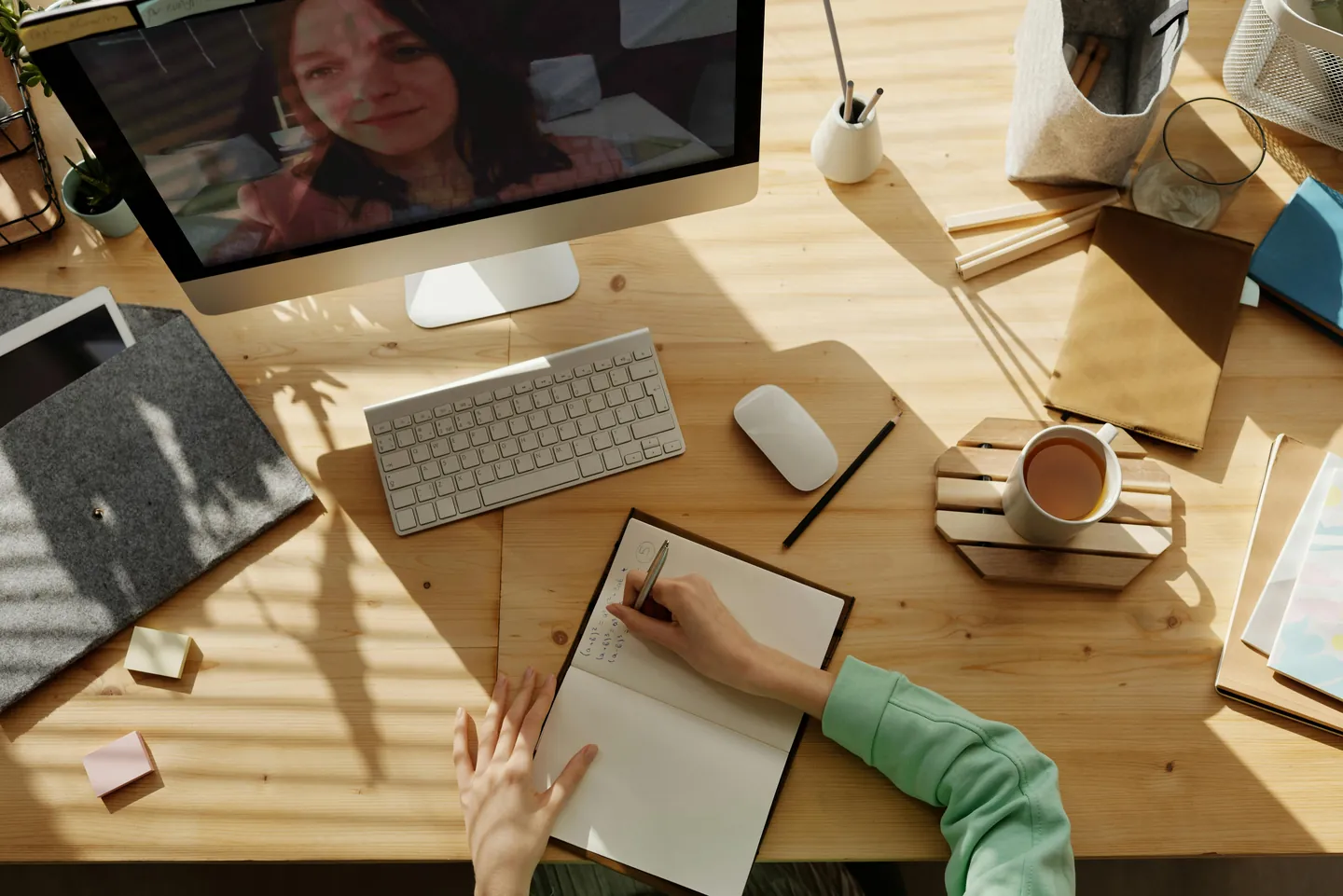
Remote Work: A Shift in Buyers' Priorities
Before the pandemic, living close to one’s workplace was essential for many employees. Major cities, with their bustling business districts, attracted thousands of workers who preferred housing near their offices, even if it meant sacrificing space or paying high prices. But with the rise of remote work, this paradigm has shifted.
Today, the need to go to the office every day is no longer a priority for many professionals. Some now go in only a few days a week—or even a month. This new work model allows buyers to broaden their geographic horizons. Quality of life has become a key factor: green spaces, tranquility, the size of the home, and the availability of a dedicated home office are now top priorities.
A New Geography of Real Estate Demand
One of the most visible consequences of the rise in remote work is the shift in the geography of real estate demand. Suburban and rural areas, which were once less popular, are seeing renewed interest. Regions that had previously been spared from real estate pressure are becoming more attractive, particularly those that combine a pleasant living environment with good internet connectivity.
Medium-sized cities, which offer a balance between urban life and tranquility, are becoming increasingly appealing. The ability to work remotely while enjoying a lower cost of living than in major cities is attracting families and young professionals. This is leading to rising prices in these areas, sometimes significantly. For example, cities such as Angers, Poitiers, and Annecy have seen their real estate prices rise due to increased demand from new residents eager to leave major cities while maintaining a high quality of life.
The Impact on Real Estate Prices
The rise of remote work has also had a mixed impact on real estate prices. On the one hand, major metropolitan areas—which have traditionally been in high demand—are seeing prices stabilize or even decline slightly in certain neighborhoods. Cities such as Paris, London, and New York have seen their markets level off, as buyers turn to more outlying areas or mid-sized cities.
On the other hand, rural and suburban areas—which until now have been more affordable—are seeing prices rise. This increase is due to a combination of several factors: the scarcity of available properties, an influx of new buyers, and improvements in infrastructure—particularly digital infrastructure—which make these areas more attractive for remote work.
However, this redistribution of demand is not uniform. Regions that offer an attractive quality of life, high-quality services, and good Internet connectivity are the main beneficiaries of this trend. Conversely, isolated rural areas—which are less well-connected and lack services—continue to stagnate in terms of prices.
A change in the criteria for selecting properties
With the rise of remote work, the criteria for choosing real estate have changed. Whereas proximity to public transportation, schools, and shops used to be paramount, buyers are now looking for homes that offer more space and a better quality of life.
Demand for homes with yards has skyrocketed, as has demand for more spacious apartments with a balcony or terrace. The ability to create a home office has become essential. Many buyers are now looking to set up a home office, whether it’s a dedicated room or a work area in the living room. Acoustic comfort and sound insulation have also become important factors, especially for families where several members are working from home at the same time.
Implications for the Future of the Real Estate Market
Remote work is not just a passing trend. While its widespread adoption was triggered by the pandemic, it has now become a permanent part of daily life for many workers. This transformation is leading to a restructuring of the real estate market, which will need to continue adapting to buyers’ new expectations.
Real estate developers must now incorporate these changes into their projects. Housing design is evolving to offer more space, flexibility, and environments conducive to working from home. Cities, for their part, must consider how to attract these new residents by investing in infrastructure, services, and connectivity.
In conclusion, the rise of remote work has profoundly changed the preferences of real estate buyers, redefining market dynamics. The pursuit of comfort, space, and quality of life now takes precedence over proximity to the workplace, thereby creating new opportunities and challenges for the real estate sector. This new landscape is expected to continue influencing the market in the coming years, paving the way for new investment and development strategies.